Brothers in Arms 2: A Mobile Warfare Saga
Brothers in Arms 2: Global Front's journey from a premium title to a free-to-play experience offers a compelling case study in mobile game evolution. This article analyzes its transformation, examining gameplay mechanics, monetization strategies, community reception, and narrative shifts across its various releases.
The Premium Debut: A Paid Mobile Shooter
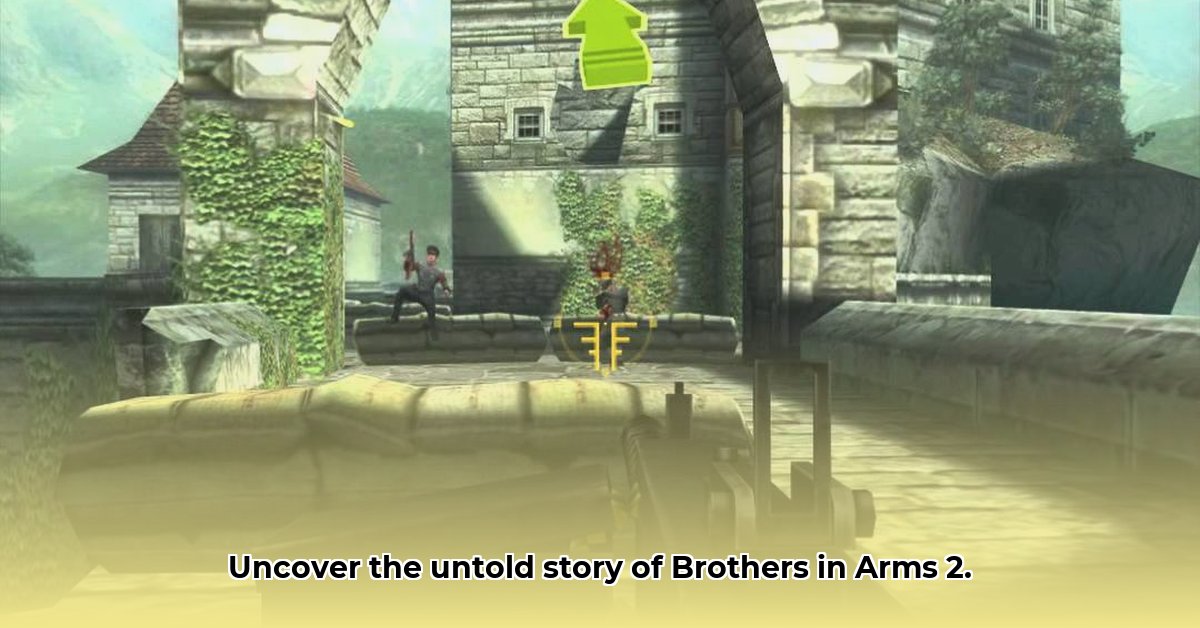
Initially launched as a paid application, Brothers in Arms 2: Global Front presented a surprisingly robust World War II tactical shooter experience on mobile devices. Featuring a first-person perspective (except during cinematic cutscenes), the game emphasized squad-based tactics and strategic combat. This ambitious undertaking for its time presented a unique challenge: could a full-fledged war game thrive in a mobile environment? Early player feedback, while not uniformly positive, indicated a reasonable level of success. Did the initial price point limit the game's potential audience?
The Free-to-Play Transition: Brothers in Arms 2: Global Front Free+
A significant turning point arrived with the release of Brothers in Arms 2: Global Front Free+. The developers transitioned to a free-to-play model, introducing in-app purchases for weaponry, health boosts, and other enhancements. This shift, common in the mobile gaming landscape, profoundly impacted the game's mechanics and player perception. How did this change affect the core gameplay experience?
Many players expressed dissatisfaction on platforms like Reddit 1, primarily citing the removal of key features: the cover system and the ability to run. These seemingly minor adjustments significantly altered tactical gameplay. The elimination of these features generated considerable debate. Did the pursuit of broader accessibility justify altering the established game mechanics?
Enhanced Experience: The HD Release
A subsequent HD version refined Brothers in Arms 2's visuals and expanded the in-game content, adding new levels and enhancements to existing ones. However, the core gameplay alterations introduced during the free-to-play shift remained intact. While the enhanced graphics and expanded content received positive feedback, the questions surrounding the removed gameplay mechanics persisted. Did the visual improvements and expanded content outweigh the impact of the altered core gameplay?
Analyzing the Evolution: A Comparative Overview
The following table summarizes the key differences across the game's various versions:
| Feature | Original Paid Version | Free-to-Play Version (Free+) | HD Version |
|---|---|---|---|
| Price Model | One-time purchase | Free with in-app purchases | Free with in-app purchases |
| Cover System | Included | Removed | Removed |
| Running | Enabled | Removed | Removed |
| Graphics | Standard | Standard | Enhanced (HD) |
| Game Content | Base game | Expanded | Further expanded |
The shift to free-to-play proved a double-edged sword. While it expanded the potential player base, the modified gameplay and the integration of in-app purchases triggered considerable negative feedback among long-time players. How did this transformation reflect emerging trends in mobile gaming monetization strategies?
Lasting Legacy: A Case Study in Mobile Game Adaptation
Brothers in Arms 2: Global Front's journey serves as a compelling case study of the challenges and opportunities inherent in mobile game evolution. Its initial success, its transition to free-to-play, and its subsequent HD release illustrate both the benefits of accessibility and the potential drawbacks of altering core game elements to support monetization models. What long-term lessons can be gleaned from this evolution? Will other developers avoid similar pitfalls using this game as a cautionary tale?
⭐⭐⭐⭐☆ (4.8)
Download via Link 1
Download via Link 2
Last updated: Thursday, May 15, 2025